Payments are no longer just a back-end function—they are a primary driver of member engagement and deposit retention for credit unions. As peer-to-peer (P2P) payments and digital wallets become embedded in everyday financial behavior, institutions that fail to meet these expectations risk losing both transactions and relationships to fintech alternatives. By bringing high-frequency payment activity back into their own digital channels, credit unions can increase visibility into member behavior and unlock new growth opportunities.
In a CUInsight–hosted webinar, From Engagement to Growth: How Credit Unions Can Win the P2P Game, Mark Majeske, SVP of Faster Payments at Alacriti, and Matt Kinne, Senior Director of Market Solutions at the Zelle® Network, explored how credit unions can reposition P2P payments as a strategic asset. The discussion examined how in-app payment experiences drive engagement and how fintech wallet growth is reshaping the competitive landscape. It also explored how solutions like Zelle® can help institutions protect deposits, deepen member relationships, and support new use cases—including small business payments.
Quick Links
Audience Poll: Where Credit Unions Stand on P2P
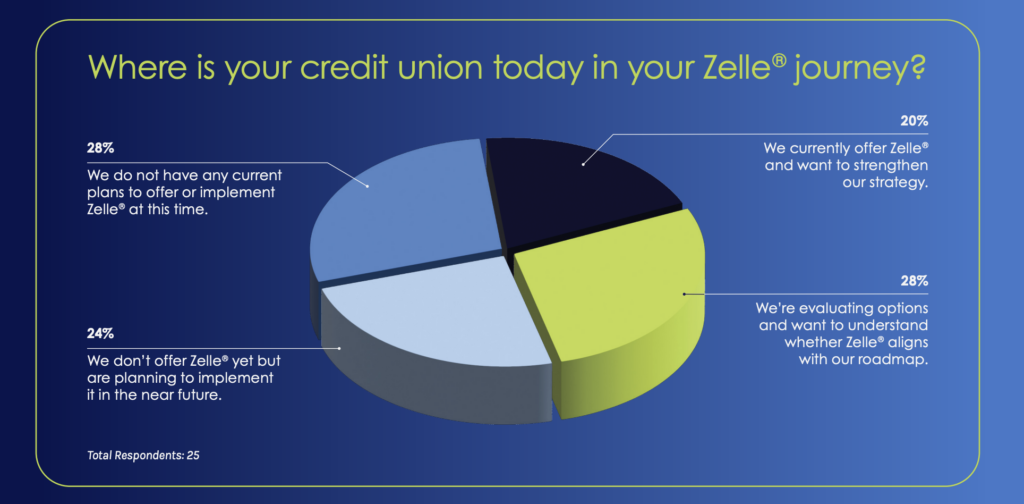
The webinar began with a poll designed to gauge where credit unions currently stand in their P2P payments journey. The results point to a market in transition: nearly half of respondents are either planning to implement or actively evaluating Zelle®, while only a small portion have a mature strategy in place today. At the same time, more than a quarter indicated they have no current plans, revealing a meaningful gap between awareness and action.
Credit unions are not questioning whether P2P matters—they are determining how and when to act. This hesitation, however, exists alongside rapidly evolving member behavior. The conversation is no longer just about enabling payments, but about where those interactions occur and who owns them. “We’re looking at keeping everyday payments in-app and what that means,” Majeske said.
Keeping Everyday Payments In-App
As P2P payments become embedded in daily financial behavior, where those transactions take place has become just as important as how they are executed. For credit unions, the challenge is not simply enabling fast, convenient payments—it’s ensuring those interactions happen within their own digital environment. Every payment that occurs outside the credit union app represents a missed opportunity to engage members and maintain visibility into financial activity.
Institutions still evaluating P2P are not operating in a static environment. Members are already engaging in these transactions— often outside the credit union’s ecosystem. This shift is already impacting deposit positioning and long-term relationships.
This dynamic was a central theme of the discussion. Rather than viewing P2P as a standalone feature, the speakers positioned it as a high-frequency engagement tool—one that can either strengthen or weaken the primary financial relationship depending on where it is delivered. The impact of these everyday interactions is cumulative. “Everyday payments are everyday engagement,” Kinne said. When payments happen within the credit union app, the benefits extend well beyond convenience. Not only do members log in more frequently, but Zelle® users make ~3.2 more debit transactions/month (3× more than non-users).
Consumer expectations are reinforcing this shift. Members increasingly expect to complete everyday financial tasks—splitting bills, paying rent, reimbursing friends—without leaving their primary banking app. As Kinne noted, “It’s not a standalone app owned by Zelle®. It is the credit union’s experience, and credit unions gain greater insight into spending behavior.” These touchpoints create natural opportunities for cross-sell, deeper relationships, and long-term retention.
In contrast, when members rely on external wallets or third-party apps, those same interactions—and the data tied to them—shift out of the institution’s ecosystem. Keeping payments in-app is not just about matching fintech capabilities; it is about delivering those capabilities within a trusted, branded experience. Credit unions already have an advantage in this area, with established relationships and a reputation for security and member support. Embedding P2P into that environment allows institutions to extend those strengths into high-frequency payment use cases.
Ultimately, in-app payments are about control—control over the member experience, transaction visibility, and the broader financial relationship. As P2P continues to drive daily engagement, the institutions that keep those interactions within their ecosystem will be better positioned to retain deposits, increase activity, and grow alongside their members.
Fintech Wallet Momentum
The rapid rise of fintech wallets has fundamentally changed how consumers interact with money. What began as a convenient way to send money has evolved into a major alternative where consumers store funds, initiate transactions, and build financial habits. For many institutions, it is already impacting deposit growth and long-term member relationships.
Over the past several years, fintech platforms have successfully positioned themselves at the center of everyday financial activity, driven largely by speed, simplicity, and user experience. The scale of this shift has been substantial.
Fintech wallets have trained consumers to expect immediate access to funds, intuitive mobile experiences, and seamless payment flows. Features such as instant confirmations, social integrations, and frictionless onboarding have redefined what “good” looks like in a payments experience. Even when underlying payment rails are similar, the user experience has created a meaningful perception gap between traditional financial institutions and fintech providers.
At the same time, the growth of fintech wallets carries hidden costs for credit unions. As funds move into external ecosystems, institutions lose visibility into member activity, reduce opportunities for crosssell, and risk weakening their position as the primary financial relationship. Wallet balances accumulate outside the credit union, and over time, those platforms begin to replace—not just supplement—the institution’s role in everyday financial life.
This expands the competitive pressure beyond retail banking into commercial relationships, further raising the stakes for credit unions.
Despite this momentum, fintech wallets do not eliminate the advantages credit unions bring to the table. Trust, fraud protection, and the ability to provide a complete financial picture remain differentiators. However, these strengths can only be leveraged if institutions remain part of the transaction flow.
Ultimately, fintech wallet momentum is less about displacement and more about positioning. Credit unions that recognize how consumer expectations have evolved—and respond by embedding similar convenience within their own digital experience—have an opportunity to reclaim activity and strengthen relationships. Those that do not risk allowing everyday payments, and the engagement that comes with them, to continue migrating elsewhere.
P2P’s Evolving Role in Member Expectations
P2P now plays a central role in how consumers manage their financial lives. What was once used for simple reimbursements has expanded into a wide range of daily transactions—from rent and shared expenses to childcare and services—making P2P one of the most frequent and visible interactions members have with their financial institution.
This is redefining how credit unions must think about digital engagement. P2P is no longer a secondary feature; it is a primary driver of how often members log in, how they send money, and how they evaluate their financial provider. As Kinne explained, these interactions happen continuously and shape expectations in real time. “Over twothirds are accessing the app at least monthly for this reason alone,” Kinne said.
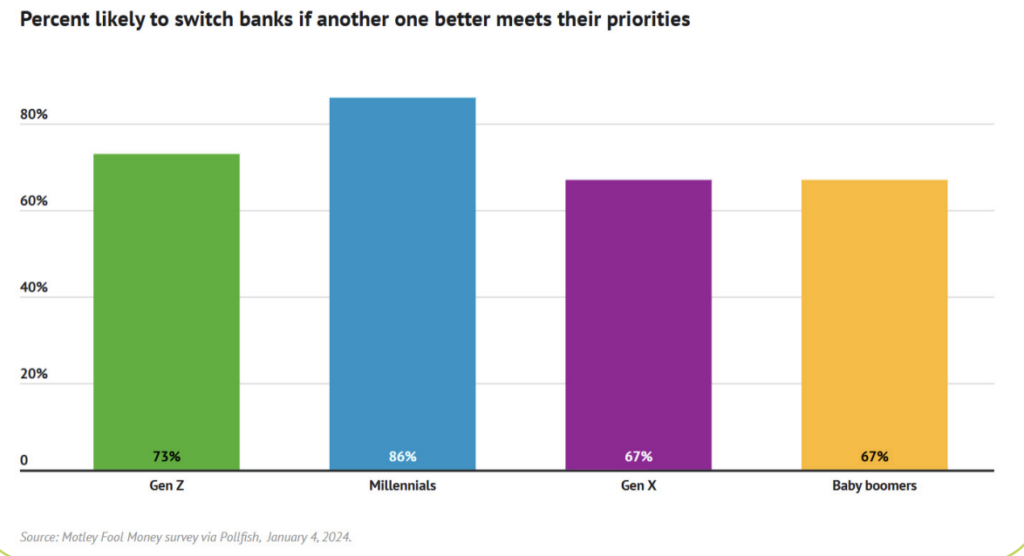
This behavioral change is significant. When P2P becomes a top reason members engage with their account, it also becomes a key determinant of satisfaction and loyalty. Members increasingly expect their primary financial institution to support these transactions seamlessly, without requiring them to turn to third-party apps or alternative providers. When that expectation is not met, the consequences can extend beyond a single transaction.
Kinne underscored the risk associated with falling short of these expectations. “If P2P wasn’t offered in their experience, members might open an account elsewhere, use that alternative more frequently, and could even go so far as to close their existing account,” Kinne said.
At the same time, the growing importance of P2P presents a clear opportunity. Because these transactions occur so frequently, they create repeated touchpoints between the member and the credit union. Each interaction increases visibility into behavior and opens the door for additional services and engagement.
This evolution is not limited to a single demographic. While younger consumers may have accelerated adoption, expectations for instant, frictionless payments are now consistent across age groups. Members expect speed, simplicity, and integration within the apps they already trust—regardless of how long they have been with their financial institution.
Protecting Deposits & Revenue
Everyday payment activity plays a direct role in maintaining deposit relationships. When members rely on external platforms to send and receive money, balances often move with them, gradually reducing the credit union’s share of wallet. Over time, these small, frequent transactions can compound into meaningful deposit outflows. As Majeske explained, “Deposit retention starts with everyday payments.”
Keeping payments within the credit union’s app helps counter this trend by anchoring financial activity in a single place. When transactions remain in-app, balances are more likely to stay local, giving institutions greater visibility into member cash flow and more opportunities to support lending, savings, and other financial needs. This consolidation also reduces the likelihood that members will develop habits around moving money into external wallets, where engagement—and revenue opportunities—shift away from the credit union.
Beyond deposits, there are broader revenue implications tied to payment activity. Increased engagement drives more frequent debit usage, higher interchange revenue, and greater exposure to crosssell opportunities. Each login and transaction becomes a chance to connect members with additional products, from loans to credit cards to financial wellness tools. As Majeske noted, “At the end of the day, don’t give me a reason to go somewhere else to do something, right?”.
Fraud prevention and trust also play a critical role in protecting revenue. Credit unions bring established advantages in this area, with stronger controls, clearer recourse, and a reputation for member protection. By keeping P2P transactions within their own ecosystem, institutions can apply consistent fraud policies and leverage network-level safeguards, reducing risk while reinforcing confidence in the payment experience.
Unlocking SMB Opportunity with Zelle®
There is a rapidly growing opportunity within the small business segment. Small and medium-sized businesses (SMBs) are increasingly seeking faster, simpler ways to manage cash flow, accept payments, and pay vendors—creating a natural extension of P2P capabilities into business use cases.
SMB adoption has accelerated quickly—often exceeding initial expectations. What began as a way for businesses to receive payments has evolved into a two-way flow, with SMBs using the same capabilities to send funds just as frequently. As Kinne explained:
For SMBs, speed and immediacy are no longer optional—they are essential for managing day-to-day business activities. Traditional payment methods often involve delays, manual processes, or additional costs, and are increasingly misaligned with these needs. In contrast, P2P-enabled solutions offer near real-time access to funds, streamlined workflows, and reduced reliance on intermediaries.
The appeal is straightforward. Faster payments improve cash flow, allowing businesses to access funds immediately rather than waiting for checks to clear or card settlements to complete. Simplicity reduces operational overhead, eliminating the need for specialized hardware or complex payment setups. And because transactions are integrated within the financial institution’s platform, businesses can manage payments alongside their broader financial activities.
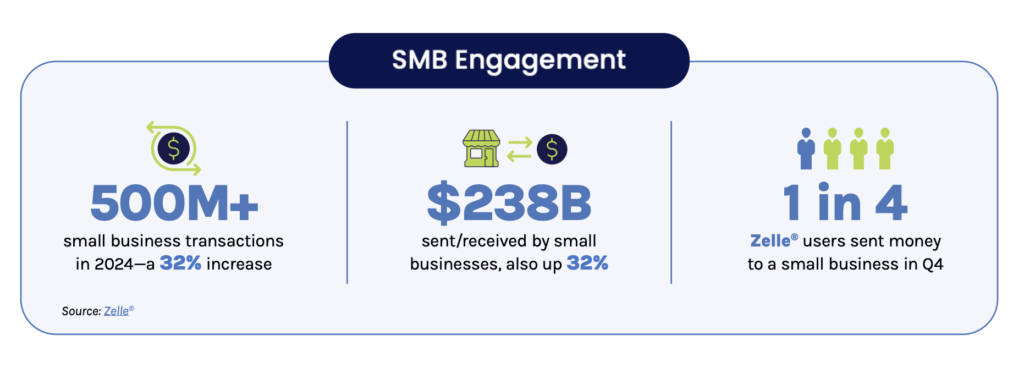
This is yet another strategic opportunity for credit unions. SMB relationships often extend beyond payments into lending, deposits, and long-term financial partnerships. By supporting SMB payment needs within their own ecosystem, credit unions can position themselves as a primary financial partner for both personal and business banking. Kinne emphasized that this momentum is still building, with continued investment and innovation focused on expanding SMB capabilities. “We’ve built out a team dedicated just to small business,” Kinne said.
The Path Forward for Credit Unions
P2P has emerged as a critical touchpoint for member engagement and deposit retention. The opportunity is not simply to offer faster payments, but to ensure those payments happen within the credit union’s ecosystem. Institutions that bring everyday payment activity back in-app will benefit from new growth opportunities across both consumer and business segments—positioning themselves to compete more effectively.
To learn more about how credit unions can realize new growth opportunities with P2P, watch the full webinar, From Engagement to Growth: How Credit Unions Can Win the P2P Game.
Alacriti’s centralized payment platform, Orbipay Payments Hub, provides innovation opportunities and the ability to make smart routing decisions at the financial institution to meet their individual needs. Financial institutions can take full ownership of their payments and control their evolution with TCH’s RTP® network, the FedNow® Service, Zelle®, Fedwire, ACH, and Visa Direct, all on one cloud-based platform. Alacriti’s Orbipay Loan Payments is a customizable electronic billing and payments solution for businesses and financial institutions of all sizes. Orbipay Loan Payments offers convenient and flexible choices that include all the payment channels, payment methods, and payment options expected from a modern digital bill pay experience.